
3-D Printed Real Estate
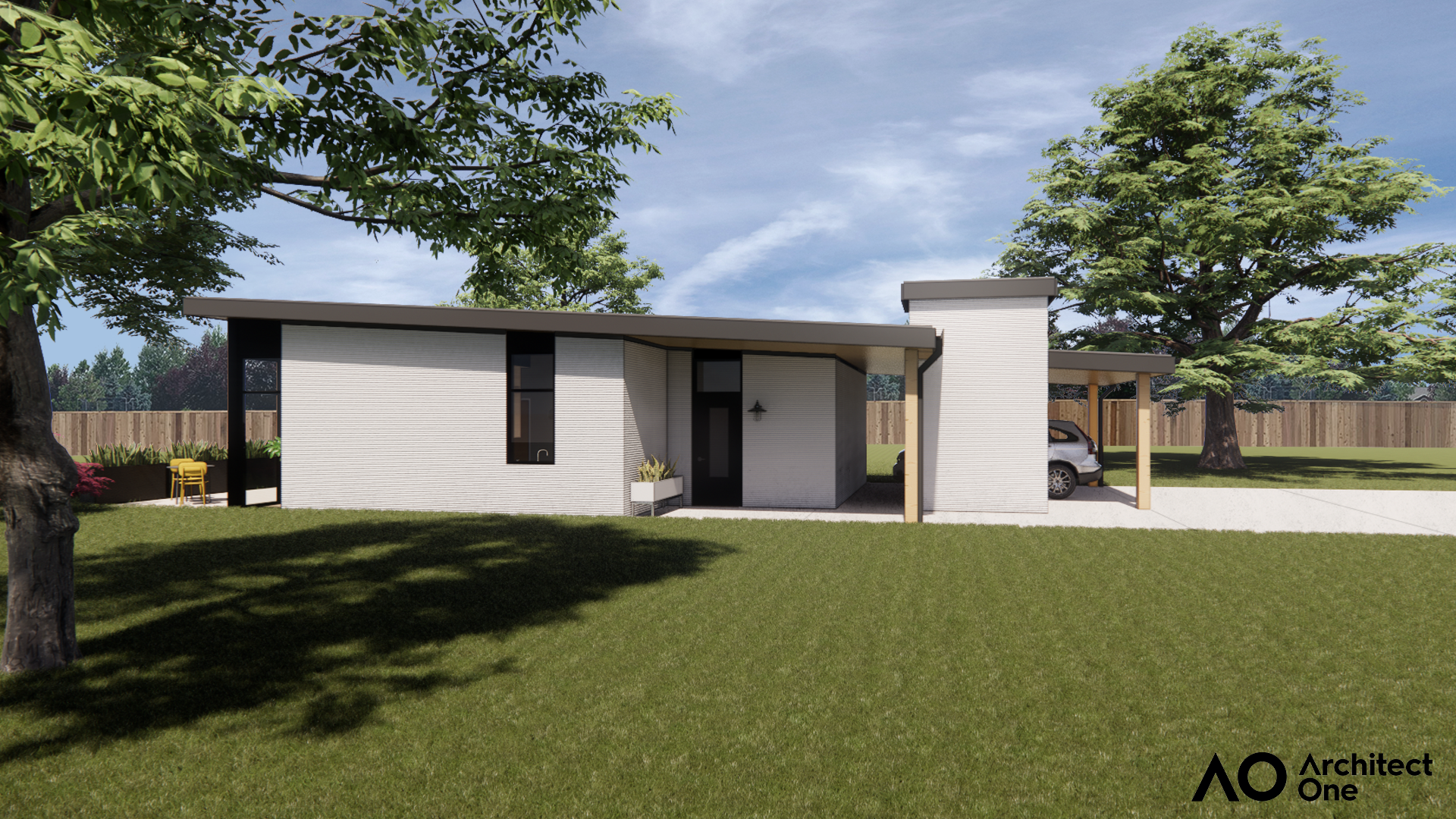
Concrete 3D printing is a construction method—not an investment thesis by itself.
At PrintHaus Capital, we use large-scale concrete 3D printing because it materially improves the risk profile of residential development when applied correctly: tighter cost control, reduced labor exposure, faster vertical timelines, and durable building envelopes.
We focus exclusively on code-compliant, permanent residential structures built using proven large-format concrete printing systems.
Why Concrete 3D Printing
Traditional residential construction faces persistent structural headwinds:
Skilled labor shortages
Volatile material pricing
Schedule risk driven by subcontractor coordination
Increasing insurance and warranty exposure
Concrete 3D printing addresses these challenges by:
Reducing labor dependency during the structural phase
Shortening construction schedules through rapid wall systems
Improving cost predictability via standardized designs and repeatable execution
Enhancing durability through monolithic concrete construction
This is not experimental construction. Our projects are engineered, permitted, and built to meet local building codes and long-term ownership standards.
What 3D Printing Changes—and What It Doesn’t
What it improves:
Structural shell speed and consistency
Labor exposure during framing
Long-term durability and maintenance characteristics
What it does not replace:
Sound site selection
Disciplined underwriting
Conventional infrastructure, MEPs, and finishes
Real estate fundamentals
PrintHaus Capital underwrites projects as real estate developments first—construction method second.
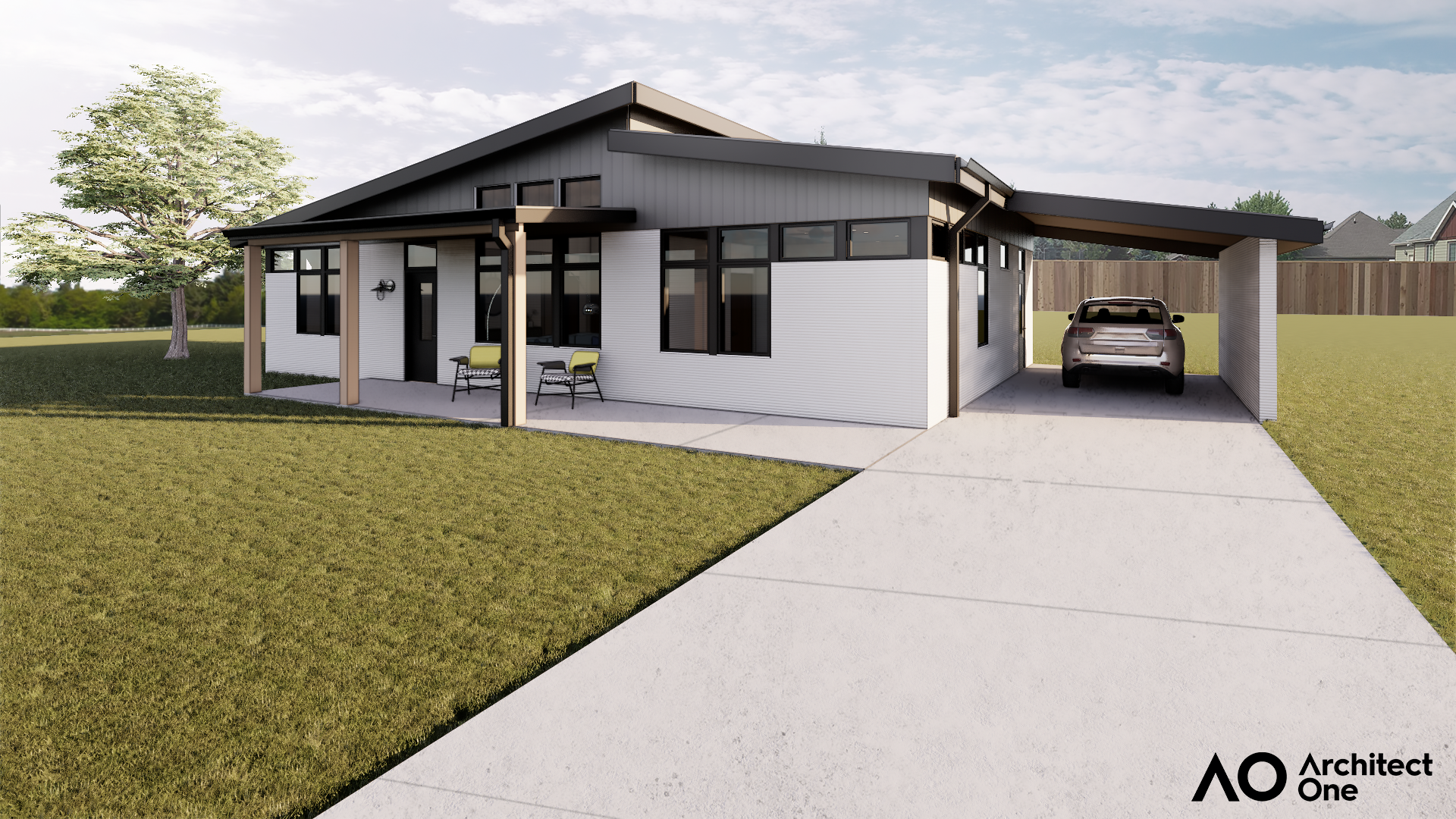
Our Application
We apply concrete 3D printing to:
Single-family and duplex residential units
Build-to-rent neighborhoods
For-sale communities where basis discipline is critical
Each project is evaluated on total project economics—not just construction novelty.